
For much of horse racing’s history, women were training horses without being allowed to say so. In Britain, the Jockey Club refused to grant licences to female trainers, meaning that people like Florence Nagle had to put their yards in the name of a head lad. Nagle took the stewards to court in 1966 and won, with the Court of Appeal describing the ban as arbitrary and out of step with modern society.
On the 28th of July 1966, Nagle and Norah Wilmot finally became the first women to be handed training licences in Britain. Things have changed hugely in the decades that followed, with evidence submitted to Parliament by the British Horseracing Authority in the January of 2023 showing that 136 of Britain’s 570 active trainers were women. Even so, only a handful have reached the very top of the sport, with the five below being amongst the best known.
Jenny Pitman
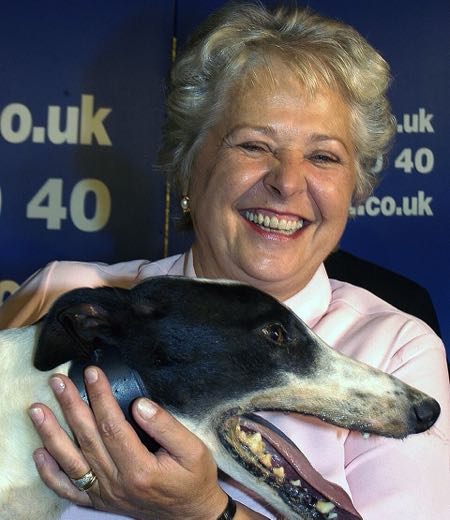

Born Jenny Harvey in 1946, Jenny Pitman grew up on a farm in Hoby, Leicestershire, and was working in racing stables by the time she was 15 years old. At 19, she married the jump jockey Richard Pitman, with whom she had two sons. Although the marriage didn’t last, she chose to keep her name professionally. The year of her divorce, 1975, was also the year that she took out her own training licence and moved to Lambourn. In the early days, much of her string was made up of cast-offs that other yards had given up on because of injury, so she had to earn every winner.
It didn’t take long for her to rewrite the history books. In 1983, Corbiere won the Grand National under Ben de Haan at 13/1, making Pitman the first woman to train the winner of the ‘world’s greatest steeplechase’. A year later, she became the first woman to train a Cheltenham Gold Cup winner when Burrough Hill Lad took the prize, adding a second Gold Cup in 1991 with Garrison Savannah, ridden by her son, Mark. Royal Athlete then gave her a second Grand National in 1995, with Pitman saddling six runners in the race that year.
She might well have had three Nationals to her name, as Esha Ness passed the post first at Aintree in 1993, only for the race to be declared void after a false start. Pitman was awarded an OBE in 1998 and retired the following year, when she also became the first winner of the BBC’s Helen Rollason Award.
Henrietta Knight
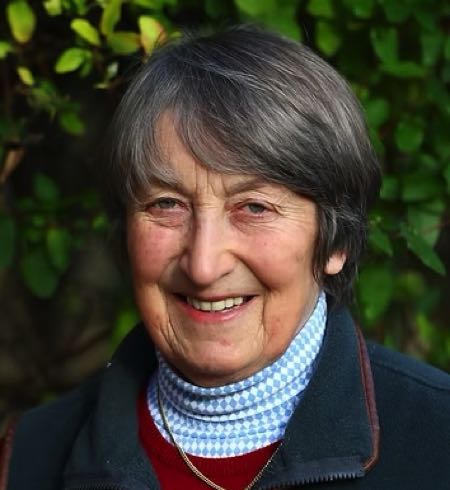
Henrietta Knight came to racing by a less obvious route than most, having worked as a teacher before turning her hand to training. Horses had always been part of her life, though, from the Pony Club through to her formative years spent around the yard of Reg Hobbs, who had trained Battleship to win the Grand National in 1938. She based herself at West Lockinge Farm, near Wantage in Oxfordshire, which became well known as a place where trainers sent horses to learn how to jump. Knight trained for more than 26 years before handing in her licence in 2012.
She will always be linked with one horse above all others. Best Mate won the Cheltenham Gold Cup three years running from 2002 to 2004 under Jim Culloty, making him the first horse since Arkle to win three in a row and proving Knight’s ability beyond all doubt. It also gave her a record that no other female trainer can match. Best Mate also won the King George VI Chase, as did Edredon Bleu, who had already won the Queen Mother Champion Chase for the yard. Her husband, the former Gold Cup-winning jockey Terry Biddlecombe, played a big part in the success.
Knight gave up her licence to care for Biddlecombe in his final years, but racing wasn’t done with her quite yet. She returned to training at the end of 2023, more than eight years after her last runner, saying that she was more nervous before her comeback than she had been before Best Mate’s third Gold Cup.
Jessica Harrington
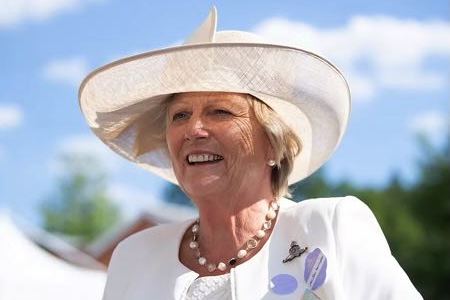
Born on the 12th of February 1947, Jessica Harrington comes from a sporting family, with her father, an Army officer, having won a silver medal in polo at the 1936 Olympic Games in Berlin. She made her own name in three-day eventing, riding at four European Championships and finishing third at Badminton in 1983. She was selected for the Los Angeles Olympics in 1984, but her horse went lame on arrival in California. Harrington took out a permit to train in 1987 before getting her full licence in 1989, running the operation from Commonstown Stud in Moone, County Kildare.
Her first big landmark as a trainer came in 1994, when Oh So Grumpy made her the first woman to train the winner of the Galway Hurdle. Moscow Flyer then won the Arkle before taking the Queen Mother Champion Chase twice, whilst Jezki added the Champion Hurdle in 2014. Her finest season came in 2017, when Sizing John won the Irish Gold Cup, the Cheltenham Gold Cup and the Punchestown Gold Cup, and Our Duke won the Irish Grand National. With 11 winners at Cheltenham by the end of 2024, she was the most successful female trainer in the history of the Festival.
Harrington has also proved herself on the flat, which makes her rare amongst the trainers on this list. Alpha Centauri won the Irish 1,000 Guineas and the Coronation Stakes in 2018, for example, whilst Alpine Star also won the Coronation Stakes for her two years later.
Venetia Williams
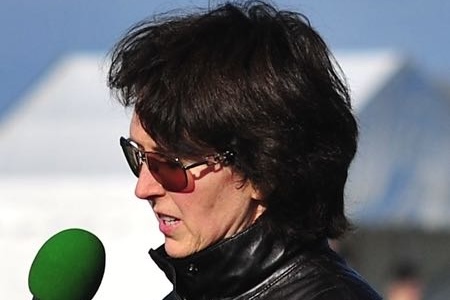
Like Jenny Pitman, Venetia Williams had a close connection with the Grand National long before she trained the winner of it. Born on the tenth of May 1960, she rode as an amateur jump jockey and took part in the race at Aintree in 1988. That same year, a fall left her with a serious neck injury that brought her riding career to an end. Instead, she turned to training and gained experience with Martin Pipe and John Edwards, as well as spending time in France, America and Australia. She set up on her own in 1995 and now trains from Aramstone in Herefordshire.
Her time in Australia shaped how she runs her yard, with her horses turned out every day to move around and graze, which may explain why her stayers do so well on soft ground. Teeton Mill gave her an early taste of the big time in 1998, winning both the Hennessy Gold Cup and the King George VI Chase. In 2009, Mon Mome won the Grand National with odds of 100/1, making Williams only the second woman to train the winner of the race and the first since Pitman had managed it with Royal Athlete in 1995.
By the end of 2025, Williams had trained more than 1,700 winners, which is more than any other woman in British jump racing. She is still producing shocks, too, with the 66/1 shot Martator winning the Grand Annual at the 2026 Cheltenham Festival.
Lucinda Russell
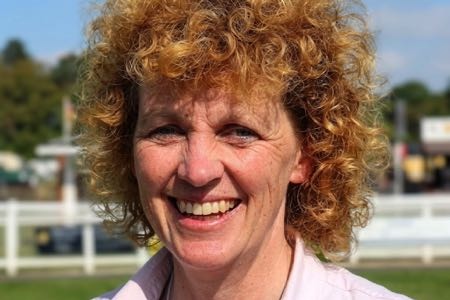
Lucinda Russell was born in Edinburgh into a family that made its money from distilling rather than racing. She wasn’t put on a pony as a toddler, as so many trainers were, and she had to beg for years before she was allowed to ride. Once she got going, she rode with the Fife Pony Club and went hunting locally before heading off to university. She took out her training licence in 1995 and built her yard at Arlary House, near Kinross in Perthshire, which now houses around 160 horses. Her partner, the former champion jockey Peter Scudamore, works alongside her.
Russell’s greatest days have come at Aintree. In 2017, for example, One For Arthur won the Grand National, making him the first Scottish-trained winner of the race since Rubstic in 1979. She did it again in 2023 with Corach Rambler, which made her one of only two women, along with Jenny Pitman, to have won it twice as a trainer. She is also one of only four women to have trained a National winner at all. A year after that, on the ninth of November 2024, Starlyte won at Kelso to give her a 1,000th career winner.
Kelso was a fitting place for the landmark, given the fact that Russell had sent out well over 100 winners at the Borders track. That being said, Ayr is arguably the course that has been kindest to her over the years in terms of the winners she’s racked up there. She was awarded an OBE in 2018 for services to horse racing.